Commercial Waste in Crouch End

Commercial waste in Crouch End needs a practical service that keeps workplaces, shops and shared premises clear without unnecessary disruption. We handle a broad mix of non-hazardous business waste, including everyday office rubbish, packaging, redundant furniture and bulky items that are no longer needed. The aim is straightforward: remove waste carefully, separate suitable materials where possible, and leave your premises ready for normal use again.
Our service is built around commercial collections for premises that generate recurring or one-off waste streams. That can include shops, studios, cafés, managed offices, trades-based premises and mixed-use buildings. We can help with loading, lifting and responsible disposal, and we can discuss the sort of waste you need cleared so the collection matches the material rather than forcing it into a one-size-fits-all approach.
If you are comparing options, a clear description of what needs removing is the best starting point. Tell us what the waste is, how much there is and where it is located, and we can guide the next step. If you already know the kind of service you need, you can also start with our business waste removal information and use that as a basis for your enquiry.
Business waste services for day-to-day premises
Business waste can build up in ways that are less obvious than domestic rubbish. Boxed stock, damaged displays, broken seating, old shelving, filing materials and mixed recyclable waste can all take space and make back-of-house areas harder to use. Our collections are designed to deal with those everyday accumulations in a structured way, so the waste is removed from the premises and handled according to its material type as far as practicable.
For many customers, the most useful approach is to group waste by broad category before the visit. That does not mean sorting every item perfectly, but it does help to separate furniture, paperwork, electricals, metal items and loose mixed rubbish where possible. If you need a more detailed view of what we can take, the waste removal page is a useful place to start, while our pricing and quotes page sets out the main factors that influence a quotation.
Common commercial clearances
Many business enquiries involve a combination of regular and occasional waste. Typical examples include redundant office furniture, retail packaging, archive boxes, tired fixtures, end-of-line stock and general clutter from storage rooms. Some sites only need a single clear-out after a move or refurbishment; others want help with a larger collection that has built up gradually over time. Either way, the focus stays on safe removal and sensible handling of the material from the point of collection onward.
Office clearances and workspaces
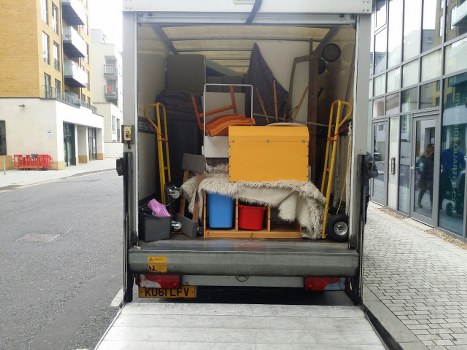
Office waste often needs more care than it first appears to, because it can include a mix of paper, furniture, electrical items and confidential materials. We can remove desks, chairs, cabinets, monitors, printers and general non-hazardous office rubbish as part of a planned clearance. Where there are documents or records that should be dealt with securely, it is sensible to separate those from ordinary waste and choose the most suitable disposal route.
If the clearance is tied to a relocation, refurbishment or downsizing project, timing becomes especially important. A sensible plan helps reduce disruption and avoids leaving waste in corridors, meeting rooms or storage areas longer than necessary. For customers who need help with office-specific clearances, the office clearance page gives a more focused overview. If the waste includes paperwork that needs secure disposal, our confidential shredding service may also be relevant.
Before requesting a quotation, it helps to note the floor level, access arrangements and any items that need special handling because of size or weight. You do not need to prepare a perfect inventory, but a clear summary usually leads to a more accurate discussion. When you are ready, you can ask for a quotation and describe the clearance in plain terms so we can match the service to the job.
Furniture, fixtures and bulky items
Commercial premises often need bulky waste removed because the item is still serviceable in size, even if it is no longer wanted. That might include desks, shelving, reception seating, cabinets, tables, storage units and other large fittings that are awkward to move through shared spaces. Our approach is to remove these items carefully and to separate reusable or recyclable material where that is practical within the collection process.
For furniture-heavy jobs, access matters as much as volume. Narrow stairways, lifts, controlled entry points and loading restrictions can all affect how the work is planned. If you are deciding whether the job is better treated as a furniture collection or a broader business waste removal, the furniture disposal page explains the type of items commonly involved, while the furniture clearance page is useful when a room or area contains several large pieces at once.
- desks, chairs and meeting-room furniture
- cabinets, shelves and storage units
- retail fixtures and display items
- bulky items that are awkward to move in normal use
Collections for garages, lofts and storage areas

Some commercial waste does not sit in a visible customer-facing area at all. It accumulates in garages, lofts, basements, store cupboards or rear storage rooms, where old materials are left behind after a move, refurbishment or change of use. These spaces often contain mixed items rather than a single waste stream, so the collection needs to be flexible enough to cope with furniture, boxes, general rubbish and occasional oddments in one visit.
When a storage area is involved, the main question is often not only what needs removing but how it is arranged. Items stacked behind shelving, loose bags, broken equipment and compressed cardboard can all affect the time required on site. If your waste is concentrated in a separate store or back room, the garage clearance page may help you judge whether that type of clearance suits the job, while the loft clearance page covers more elevated or less accessible spaces.
It is usually enough to provide a sensible summary of the contents and note anything fragile, heavy or awkward. That helps us plan loading and protect surrounding surfaces while the work is carried out. If the material includes loose household-style items from a mixed site, the flat clearance and home clearance pages may also give useful context, although the right commercial service still depends on the exact waste at the premises.
Garden, outdoor and frontage waste
Commercial properties sometimes need outdoor waste cleared as part of maintenance, landscaping or a change in use. That can include soil bags, cuttings, branches, planters, broken outdoor furniture and weathered materials from courtyards, frontages or service yards. These collections are often straightforward, but they still need the same attention to access, lifting and separation of suitable materials as any indoor clearance.
Outdoor waste can also arise after pruning, site tidying or the removal of unwanted fixtures near entrances and rear access points. If you have green material mixed with general rubbish, it helps to say so early because it affects how the collection is planned. For more detail on that kind of work, see garden clearance. If the job is part of a wider property tidy-up with several room or storage areas involved, you may also find house clearance useful as a comparison point.
Where business premises share courtyards or semi-public outdoor areas, the key is to keep routes clear and minimise obstruction while the waste is being removed. That can mean staging items sensibly and grouping smaller bags together before loading. If you need to keep the site operating during the day, the most effective approach is usually to request a short, practical collection window rather than letting the material linger across several days.
Special items and regulated waste streams
Not all commercial waste should be handled in the same way. Fridges, certain appliances, fluorescent fittings, sharps, chemicals and other regulated items may need a different disposal route, and some materials are not suitable for standard mixed waste collections at all. The correct approach depends on the item, its condition and any legal or safety considerations that apply to it.
Where a premises has a specific item rather than a general clearance, it is better to choose a service that matches the material. For example, a broken fridge or office appliance is different from everyday rubbish, and the handling requirements are not the same. If this is relevant to your enquiry, the fridge and appliance removal page explains the type of equipment commonly dealt with, while the hazardous waste disposal page is there for materials that need extra care and suitable controls.
It is always worth being precise about the item rather than describing everything as general waste. That avoids confusion and helps make sure the collection is suitable from the outset. If you are uncertain whether something can be taken as part of a commercial clearance, ask for guidance first and describe the item’s size, condition and any visible labels or components.
How collections are planned and priced
Commercial waste quotations are usually shaped by a small number of practical factors rather than a single flat rule. The amount of waste, the type of material, access conditions, loading time and any special handling all affect the overall scope. A good quotation is therefore based on the actual job rather than a generic estimate that ignores the site conditions. That is one reason why a brief but accurate description often works better than a long list of assumptions.
If you are preparing to ask for a price, it helps to include the broad category of waste, the approximate quantity and any relevant constraints such as stairs, loading bays, security checks or narrow entrances. For customers who want to understand the commercial side of the work in more detail, our pricing and quotes page is a sensible next step. When the enquiry involves ongoing business waste rather than a one-off clearance, the business waste removal page may be the better fit.
Useful details for a quotation can include the type of premises, the main waste items, how the waste is stored, whether any items need dismantling and whether the collection has to fit around trading hours. That does not mean everything has to be perfect before you get in touch; it simply means the clearer the brief, the easier it is to give an accurate response.
Recycling, sorting and responsible disposal
Responsible commercial waste handling depends on sorting and routing items to the most suitable destination available within the service. Mixed loads can often be broken down so that recyclable materials are separated from general rubbish where the condition of the waste allows it. Cardboard, metal, timber, certain furniture components and some rigid plastics may all be treated differently from residual waste.
Where sustainability is part of the decision, it makes sense to ask how a particular type of material is normally handled. That can be especially useful for offices disposing of large amounts of cardboard, shops replacing fixtures or businesses clearing old furniture in batches. If environmental handling matters to you, the recycling and sustainability page gives a fuller picture of that side of the service, while the what can go in a skip page can help when you are comparing waste categories and container options.
Not every item can or should be recycled, and some waste has to be directed elsewhere because of its composition or condition. The important point is that the collection should be planned with the material in mind rather than treated as a simple one-bin solution. If your premises generate repeated waste, a more structured arrangement may be preferable to occasional ad hoc clearances.
About Crouch End
Crouch End is a north London district within the London Borough of Haringey, positioned around a distinct hilltop centre rather than a single straight high street. The area is commonly associated with The Broadway and the adjoining streets that form its main commercial core, but its character extends well beyond the shopping parades. Historic terraces, later residential streets and a network of local routes give the place a layered urban feel, with the built environment reflecting both nineteenth-century suburban growth and later infill development. One of its most recognisable landmarks is the former railway viaduct at the edge of the area, known locally as the “ghost†of Crouch End station, which survives as a reminder of the old railway line closed in the late 1950s. Nearby, the Priory Park and the adjacent Hornsey Town Hall complex contribute to the area’s civic and cultural identity, with the latter noted for its modernist architecture and prominent place in local history. The district also benefits from access to open space through nearby parks and routes that connect towards Highgate, Muswell Hill and Hornsey, while the surrounding streets include a mix of cafés, independent shops, schools and community venues. This combination of residential character, local commerce and visible historic layers makes Crouch End feel both neighbourhood-focused and outward-looking, with a centre that remains distinctly walkable and socially active. Its architecture and street pattern preserve traces of different periods, while the everyday life of the area continues to be shaped by local services, public spaces and long-established residential use.
Commercial waste support across different property types
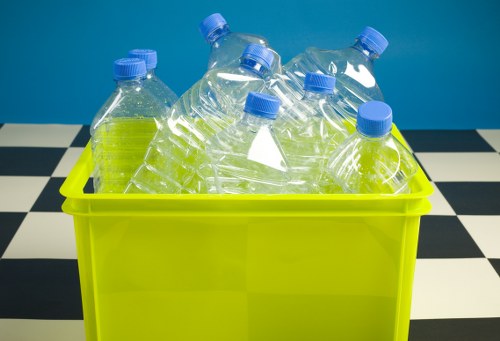
Businesses do not all produce the same waste, so a useful service has to work across different property types without assuming they need identical treatment. A retail unit may need packaging and display items removed after a refit, while a shared office may need desks, seating and paperwork cleared from separate rooms. A studio, workshop or small industrial unit may have a mixture of bulky items and general rubbish that benefits from being lifted and loaded as one coordinated visit.
That variety is why it helps to think in terms of the actual waste stream rather than simply asking for “a clearanceâ€. The difference between general commercial rubbish, furniture, appliances and regulated materials is important, both for handling and for disposal. If your premises need a broader property clearance, the builders waste clearance page may also be relevant where the material includes renovation debris, while the about us page gives a general overview of the company’s service background.
To move forward, gather a short description of the main items, note any access limits and decide whether the job is a one-off clearance or part of a recurring waste pattern. Then ask for a quotation in plain language. We can help you compare the practical options, and when you are ready, request a quotation so the collection can be planned around the waste rather than the other way around.