N8 Park Road rubbish collection guide for residents
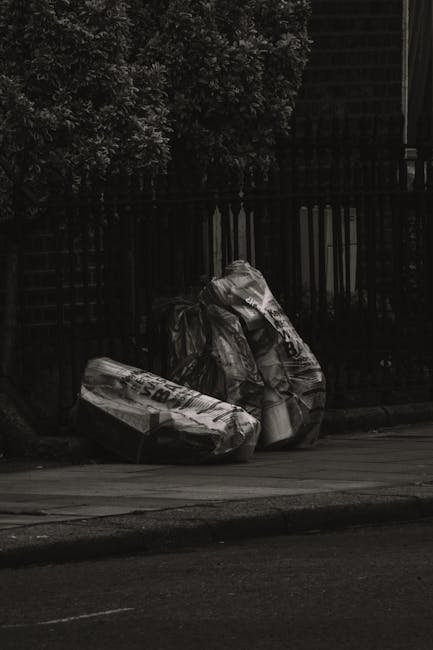
If you live on or near Park Road in N8, rubbish can become one of those everyday headaches that quietly builds up. A bag that won't fit in the bin, an old chair taking up half the hallway, a fridge that has been sitting there for three weeks too long - sound familiar? This N8 Park Road rubbish collection guide for residents is here to make the whole process feel clearer, calmer, and much more manageable.
Whether you are clearing out a flat, dealing with bulky household waste, or just trying to stay on top of regular collections, the aim is simple: help you understand your options, avoid the common mistakes, and choose a sensible next step. We will walk through how rubbish collection usually works, what to watch out for, and when a professional clearance service may be the easiest route.
Truth be told, most waste problems are not dramatic. They are just annoying. But if you get the basics right, you save time, reduce stress, and keep your property looking tidy without making extra trips or guessing what goes where.
Why N8 Park Road rubbish collection matters
Rubbish collection is not just a convenience. For residents, it affects cleanliness, access, smell, safety, and how easy it is to live in a property day to day. On a busy residential road, waste left out too early or sorted badly can quickly become a nuisance for neighbours and passers-by. And yes, the odd rogue bag can create more of a scene than you might expect, especially if the weather turns warm or the pavement is already tight.
N8 Park Road, like many London residential streets, can bring together flats, terraces, shared entrances, and limited storage space. That combination makes waste planning more important than people sometimes realise. A good rubbish collection routine keeps communal areas usable and helps prevent overflow, missed pickups, and avoidable fly-tipping risks.
It also matters because residents often have mixed waste needs. One week it is standard household rubbish. Another week it is old furniture, broken appliances, packaging from a renovation, or garden waste after a weekend clear-up. If you only think about rubbish when it starts piling up, the job becomes bigger than it needs to be.
Expert summary: The best rubbish collection routine is usually the one you barely notice, because it is organised before the bags start stacking up. Small decisions made early save the biggest headaches later.
How N8 Park Road rubbish collection guide for residents Works
In practical terms, rubbish collection for residents usually falls into one of a few categories: regular household bin collections, bulky waste removal, recycling separation, or one-off clearance for larger items. Which route makes sense depends on what you need to remove, how quickly it needs to go, and whether the items are safe and suitable for standard collection.
For everyday waste, most residents will rely on local bin services and proper segregation of general waste, food waste, mixed recycling, and any other designated streams where applicable. For larger or awkward items, the process changes. You may need a special bulky collection, a skip, or a licensed waste removal service. That is where a little planning makes all the difference.
One useful way to think about it is this: if the waste fits neatly into your normal bins, standard collection may be enough. If it does not, or if it would create a safety issue to leave it out, you are probably in one of the bigger-item categories. That could mean furniture, appliances, mattresses, garden cuttings, loft clutter, or renovation debris.
If you are unsure whether an item should go with regular waste or special collection, look at it from the practical side. Is it heavy, sharp, bulky, electrical, or potentially hazardous? If the answer is yes to any of those, do not just wing it. A smarter route is usually safer and, in the long run, less frustrating.
Key Benefits and Practical Advantages
A well-managed rubbish collection approach brings more benefits than people expect. The obvious one is cleanliness, but there are several others worth calling out.
- Less clutter at home: Rooms feel usable again when waste is cleared promptly.
- Better hygiene: Food waste, damp cardboard, and overflowing bags can attract pests and bad smells.
- Safer access: Hallways, stairwells, and shared entrances stay easier to move through.
- Less neighbour friction: Nobody enjoys walking past bags left out for too long.
- More efficient clear-outs: When you sort waste properly, collection becomes faster and less stressful.
- Improved recycling: Separating reusable and recyclable materials helps reduce avoidable disposal.
There is also a mental benefit, which is a bit underrated. A tidy rubbish plan makes a property feel under control. If you have ever come home to a pile of black bags after a long day, you will know the difference it makes when that space is clear again. It feels lighter. Less clunky, somehow.
For residents managing a move, a renovation, or a deep declutter, rubbish collection becomes part of the bigger picture. It is not just removal. It is a reset.
Who This Is For and When It Makes Sense
This guide is relevant to a wide range of residents, especially if you live in a flat, shared house, conversion, or smaller property where space is limited. It is also useful if you are managing a one-off household clear-out and do not want to spend the weekend with a car full of waste on repeat runs.
You may find this especially helpful if you are:
- moving out or moving in
- sorting a loft, garage, or spare room
- getting rid of worn-out furniture
- dealing with appliance replacement
- clearing packaging after delivery or home improvements
- trying to keep on top of accumulated household junk
- sharing bins with neighbours and running out of capacity
Sometimes the issue is not volume but awkwardness. A sofa that will not fit down the stairs. A wardrobe that has to be taken apart. A fridge with nowhere safe to stand while you wait for collection. That is the kind of situation where a more flexible waste removal option becomes sensible.
And if you are wondering whether it is worth paying for help rather than struggling through it yourself, a good question is: how much time, lifting, and coordination is this really going to take? That answer often tells you enough.
Step-by-Step Guidance
Here is a practical way to handle rubbish collection without overcomplicating it.
- Identify the type of waste. Separate general waste, recycling, bulky items, electricals, and anything potentially hazardous.
- Estimate the volume. A single bag, a few boxes, or an entire room of items all call for different approaches.
- Check what can be reused or recycled. Good items should not be thrown away just because they are inconvenient.
- Decide whether standard collection is enough. If it fits local bin rules and volume limits, that may be the simplest route.
- Prepare items safely. Remove loose glass, tape shut sharp edges, and keep lifts or stairs clear where possible.
- Book a suitable removal method if needed. For bigger jobs, arrange a collection that matches the load rather than forcing it into normal bins.
- Place waste correctly. Only put it out when the collection window makes sense and when it will not obstruct access.
- Keep a quick record of what went. This is handy for landlord checks, tenancy moves, or renovation planning.
A simple example: imagine you have a broken chest of drawers, two black bags of general rubbish, and a mattress. The black bags may be standard disposal. The mattress and drawers are another matter. Breaking the job into categories makes the whole thing feel much more manageable.
If you are planning a broader clear-out, a service such as waste removal may be a more efficient fit than trying to piece everything together yourself.
Expert Tips for Better Results
Over time, one pattern becomes obvious: the people who handle rubbish well are not necessarily the most organised by nature. They are simply the ones who make a few smart decisions early.
- Sort before you move anything: It is much easier to separate waste at the source than after it is stacked in a corner.
- Keep an eye on weight: One heavy bag is often harder to handle than two lighter ones. Back strain is not glamorous, sadly.
- Break down bulky items where safe: Flat-pack furniture, cardboard, and some shelving can often be reduced in size.
- Do not mix unknown waste streams: A bag full of mixed items may be harder to recycle and harder to clear properly.
- Plan for access: Narrow staircases, shared entrances, and parked cars can slow everything down if you ignore them.
- Clear small items first: You will quickly see what is left and avoid false optimism about space.
One small but useful habit is to set aside a "decision pile" for items you are not sure about. That can include broken electronics, partial DIY materials, or old textiles. It is better to pause for five minutes than to make the wrong disposal choice and have to undo it later.
If your rubbish includes home contents, old furniture, or a fuller property clear-out, you may also want to look at house clearance or home clearance options, depending on the scale of the job.
Common Mistakes to Avoid
Most rubbish collection problems come down to a handful of avoidable mistakes. Nothing too dramatic. Just the usual chaos that creeps in when people are busy.
- Leaving everything until the last minute: This often leads to overfilled bags, missed recycling opportunities, and rushed decisions.
- Assuming all waste is the same: General rubbish, electrical items, and hazardous materials should not be handled in the same way.
- Ignoring access issues: A collection plan is no good if nobody can safely move the items.
- Overloading bags or boxes: Heavier loads increase the risk of damage and injury.
- Putting items out too early: This can create clutter and attract unwanted attention or interference.
- Forgetting about duty of care: Waste should be managed responsibly, not just dumped and forgotten about.
Another common issue is the "it will probably be fine" approach. That tends to work right up until it does not. For example, a broken freezer or a bag of mixed sharp waste may seem harmless in the moment, but handling it badly can be awkward and unsafe.
For appliance-related waste, it is worth checking services such as fridge and appliance removal rather than leaving electricals in a general waste pile.
Tools, Resources and Recommendations
You do not need a complicated toolkit to manage rubbish well, but a few basic items can make the job easier.
- Strong sacks and boxes: Useful for keeping waste separated and easier to carry.
- Gloves: Helpful for handling sharp or dusty items.
- Tape and labels: Good for marking recyclables, keep items, and disposal piles.
- Dust sheets or old bedding: Handy when moving dirty items through a property.
- Basic hand trolley: A real help for heavier loads, especially in flats.
- Space-saving tools: Screwdrivers, hex keys, and a small saw can help dismantle furniture safely if you know what you are doing.
For residents with larger-scale clutter or mixed household waste, a broader clearance service can be more practical than trying to micromanage each item. If you are dealing with accumulated belongings, furniture clearance or furniture disposal may be the simplest way to get bulky items out of the way quickly.
In some cases, residents also need help with long-neglected storage spaces. That is where loft clearance or garage clearance can be very useful, especially if the space has quietly become a holding zone for decades of "I'll sort that later."
Law, Compliance, Standards, or Best Practice
For householders, the main thing to remember is that waste should be disposed of responsibly and in a way that does not create a hazard, nuisance, or legal issue. Exact council arrangements and collection rules can differ, so it is always wise to follow the local guidance that applies to your property type and street.
A few common best-practice principles apply almost everywhere in the UK:
- Keep waste contained and secure.
- Separate recycling where possible.
- Do not place hazardous items in ordinary waste.
- Use licensed and reputable waste carriers for larger clearances.
- Keep clear evidence or documentation where relevant, especially for bigger loads.
If you are paying someone to collect waste, it is sensible to expect professional handling, basic safety procedures, and clear communication about what will happen to the material. That is not being fussy. It is just good sense.
For residents who want reassurance on process and standards, it can help to review a provider's health and safety policy, insurance and safety information, and recycling and sustainability approach before booking. If you are comparing services, pricing and quotes should also be clear enough that you know what you are paying for.
Hazardous items need extra care. Paints, chemicals, sharp industrial leftovers, and certain electrical components should never be treated like ordinary rubbish. When in doubt, handle them separately and cautiously. No heroics needed.
Options, Methods, or Comparison Table
Residents usually have a few practical options for rubbish collection. The right choice depends on size, urgency, access, and what sort of waste you have.
| Method | Best for | Pros | Watch-outs |
|---|---|---|---|
| Standard household collection | Everyday bagged waste and basic recycling | Simple, familiar, usually low effort | Limited to local bin rules and capacity |
| Bulky waste collection | Single large items or a small number of oversized pieces | Good for furniture and appliances | May need booking and item preparation |
| Skip hire | Renovation waste, repeated DIY waste, larger volumes | Useful on bigger jobs, stays on site | Space, permits, and item restrictions may apply |
| Professional waste removal | Mixed household waste, awkward items, fast clear-outs | Flexible, quicker, less lifting for you | Costs depend on load, access, and item type |
For many residents, the sweet spot is professional removal when the waste is too much for bins but not quite right for a skip. If that sounds familiar, a service like what can go in a skip may also help you decide whether a skip is genuinely needed or whether a different method would be easier.
To be fair, there is no single "best" method for everyone. A top-floor flat with narrow stairs is a different story from a ground-floor maisonette with a driveway. The right answer is usually the one that fits your actual space, not the one that sounds tidy on paper.
Case Study or Real-World Example
Here is a realistic example. A resident on Park Road is moving out of a two-bedroom flat. Over a couple of weekends, they have gathered an old mattress, a broken bookcase, three bags of mixed household clutter, several cardboard boxes, and an appliance that no longer works. At first glance, it looks like a whole day's work, and that is before anyone starts carrying anything downstairs.
Instead of trying to force everything into standard collection, they split the job into parts. Cardboard was flattened and set aside for recycling. The mattress and bookcase were handled as bulky items. The appliance was separated because it needed specific disposal. The mixed clutter was checked for anything reusable, then cleared in one go through a waste removal service.
The result was not just a cleaner flat. It was a calmer move. Fewer trips. Less panic. Fewer "where did I put that?" moments while the kettle boiled and the boxes stacked up in the hallway. Small reliefs, but they matter.
That is really the point of this guide. Good rubbish collection is not about being perfect. It is about reducing friction.
Practical Checklist
Before you arrange rubbish collection, run through this quick checklist.
- Have I identified the type of waste correctly?
- Can any of it be reused, donated, or recycled first?
- Are there sharp, heavy, or hazardous items that need special handling?
- Do I know how much waste there is, roughly?
- Is access clear for carrying items out safely?
- Do I need help with lifting, dismantling, or sorting?
- Would standard collection, bulky removal, skip hire, or professional waste removal be the better fit?
- Have I checked timing so waste is not left out too early?
- Do I have a plan for large items like furniture, mattresses, or appliances?
- Am I choosing a disposal method that feels safe and sensible, not just convenient?
If you can answer those questions confidently, you are already ahead of most people. And honestly, that is usually enough to avoid the messy bit.
Conclusion
A sensible rubbish collection routine on Park Road in N8 starts with simple decisions: sort waste early, separate bulky or risky items, and choose the collection method that actually fits the job. That approach saves time, reduces stress, and keeps your home or shared property far easier to live in.
If your waste is larger, mixed, or awkward to move, a professional clearance option can be a practical shortcut. It is not about making a big drama out of rubbish. It is about getting life back to normal without spending your entire weekend wrestling with bins, bags, and stairs.
Get a free quote today and see how much you can save.
And if you are still deciding, that is fine too. Start with the smallest sensible step, clear one area properly, and the rest tends to follow.
Frequently Asked Questions
What is the easiest way to handle rubbish collection on N8 Park Road?
The easiest approach is to separate everyday household waste from bulky or specialist items. Standard bin collections work for normal waste, while larger items usually need a separate collection method.
Can I put furniture out with ordinary rubbish?
Usually no, not if it is bulky or too large for standard bins. Furniture is often better handled through furniture clearance or furniture disposal, depending on the item and condition.
What should I do with broken appliances?
Broken appliances should be kept separate from regular rubbish. Fridges, washing machines, and similar items often need specialist collection because of size, weight, or component handling.
How do I know whether I need a skip or a waste removal service?
If the waste is from a larger project and you have room for a container, a skip may suit you. If access is tight, the load is mixed, or you want items taken away quickly, waste removal is often more convenient.
Is it better to sort waste before collection?
Yes. Sorting first makes the collection faster, helps with recycling, and reduces the chance of putting the wrong thing in the wrong stream. It also makes the whole job feel less chaotic.
What happens if I leave rubbish out too early?
It can create clutter, block access, and sometimes cause problems for neighbours or passers-by. It is best to put waste out only when the collection timing makes sense.
Are mattresses difficult to dispose of?
They can be awkward because of their size and shape, so they are usually best handled through a dedicated mattress disposal route rather than being left with general rubbish.
What is the safest way to clear heavy waste from a flat?
Use a safe lifting plan, break down items where possible, and avoid overloading bags. If access is awkward or the load is heavy, professional help is often the smarter option.
Can garden waste be mixed with household rubbish?
It is better not to mix them unless the chosen service specifically allows it. Garden waste is often easier to handle separately, especially if you are using a dedicated garden clearance service.
Do I need to worry about hazardous waste?
Yes. Hazardous materials should be separated and handled carefully. They should never be treated like ordinary domestic waste, especially if they involve chemicals, sharp items, or contaminated materials.
What if I have a lot of clutter from a loft or garage?
That is a common situation, and it often makes sense to use a dedicated clearance service for the space involved. Loft clearance and garage clearance can be a practical fit for those bigger clear-outs.
How can I compare waste collection options fairly?
Look at what you need removed, how quickly it needs to go, access constraints, and whether the provider is clear about price, safety, and handling. The cheapest option is not always the best one if it creates more work later.