Health and Safety Policy for Commercial Waste Crouch End
 Purpose and scope: This Health and Safety policy sets out the standards, responsibilities and procedures that govern safe handling, collection and disposal of commercial waste for our Commercial Waste Crouch End service area. It applies to all staff, contractors and operatives involved in refuse collection, transfer, storage and handling of waste materials across customer sites and during vehicle transit. The objective is to minimise risk of injury, prevent pollution, and ensure compliance with general health and safety principles while delivering reliable rubbish collection and commercial refuse services.
We commit to maintaining a workplace where safety is integrated into daily operations. Key principles include risk assessment, proactive hazard identification, appropriate training and the provision of safe equipment. Managers are accountable for enforcing this policy, and every employee has a duty to follow safe systems of work, report hazards and participate in training. The organisation will review procedures regularly and update the policy to reflect evolving operational needs of a modern rubbish company service area.
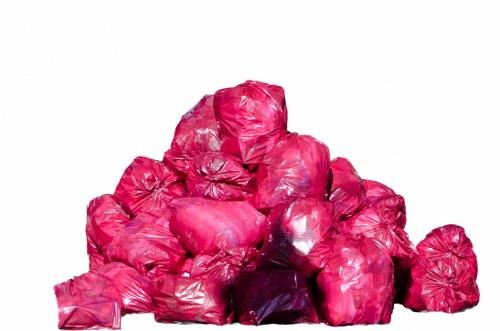 Risk management and assessment: Systematic risk assessments are carried out for routine and non-routine tasks including manual handling of sacks and bins, operation of compactors, loading of skip vehicles, and traffic management during kerbside collections. Assessments identify risks such as manual handling injuries, slips, trips, falls, vehicle collisions, exposure to hazardous materials and biohazard incidents. Control measures follow the hierarchy of risk control: elimination, substitution, engineering controls, administrative controls and personal protective equipment (PPE).
Training, competence and communication
Training programs ensure operatives understand safe work practices relevant to the Crouch End commercial waste and rubbish removal activities. Induction covers key topics: correct lifting techniques, use of mechanical aids, PPE use, emergency procedures and chemical safety. Ongoing competence checks, toolbox talks and refresher sessions reinforce standards. Supervisors will maintain training records and ensure that new recruits receive supervised, hands-on instruction before independent deployment.
Safe working procedures and equipment
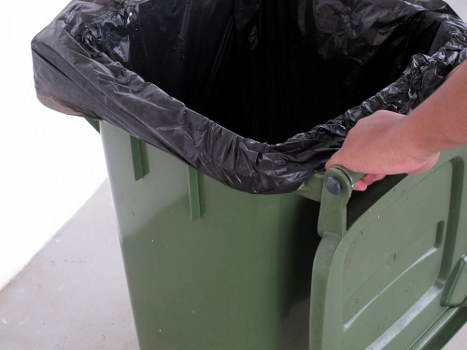
All vehicles and equipment used in commercial rubbish Crouch End operations are regularly inspected and maintained according to manufacturer recommendations and organisational maintenance schedules. Lockout/tagout procedures apply where necessary, and plant operators must be certified for mechanised equipment such as compactors and loaders. PPE including gloves, hi-vis clothing, safety boots and eye protection is provided and must be worn as required. Sharps, clinical or contaminated waste is segregated and handled per procedure to prevent infection risk.Site-specific procedures address access control, vehicle marshalling, pedestrian segregation and waste storage. Clear signage, markings and safe pedestrian routes reduce interaction risk between vehicles and the public. Manual handling is minimised through use of wheeled bins, trolleys and mechanical aids; where manual handling is unavoidable, team lifts and handling assessments are used to reduce strain and injury.
Incident reporting and investigation: All incidents, near misses and occupational illnesses are reported immediately through established channels. Reported events are investigated to identify root causes and preventive measures. Lessons learned are communicated to staff via briefings and written updates. The organisation records incidents, tracks trends and implements corrective actions to prevent recurrence, ensuring continuous improvement in the commercial refuse and waste handling environment.
 Emergency preparedness and first aid: Emergency plans cover spill response, fire, medical emergencies and vehicle incidents. First aid kits and trained first aiders are available across operational teams. Staff receive instruction on how to respond to common emergencies relevant to a rubbish company service area, including containment of spillage and containment of hazardous materials pending specialist intervention. External emergency services are engaged when necessary following clear escalation protocols.
 Monitoring, audit and continuous improvement: Management conducts regular site inspections, safety audits and reviews of procedure effectiveness. Performance indicators include incident frequency, training completion rates, vehicle maintenance compliance and results from safety inspections. Audits identify opportunities for improvement and ensure that the service maintains robust standards while adapting to changing operational demands of commercial waste collection and disposal.
Responsibilities and compliance: Managers ensure safe systems of work are implemented, resources allocated and that staff understand their responsibilities. Employees must follow instructions, use PPE, cooperate with safety procedures and report hazards. Contractors working alongside staff are required to demonstrate competence and adhere to the same safety standards. The organisation strives for compliance with applicable health and safety obligations and incorporates industry best practice into operations.
Waste segregation and environmental controls: Proper segregation reduces health risks and environmental harm. Procedures define separation of general commercial waste, recyclable materials, hazardous substances and clinical or contaminated items. Spill kits and containment equipment are available for accidental releases. Environmental controls are aligned with safe waste handling practices to protect workers and the wider community.
Policy review and acknowledgement: This Health and Safety policy for Crouch End commercial waste services is reviewed periodically and updated as operations evolve. All staff are required to read and acknowledge the policy, and managers are responsible for making it accessible. Our commitment is to maintain a safe, healthy workplace while delivering dependable commercial rubbish and waste services with respect for people and the environment.
