Commercial Waste Crouch End — Recycling and Sustainability
Welcome to our overview of how Commercial Waste Crouch End is evolving into an eco-friendly waste disposal area and a model sustainable rubbish area for local businesses. This page explains our recycling percentage target, partnerships with charities and community groups, local transfer stations serving the borough, and the fleet choices that reduce emissions. We align with the boroughs approach to waste separation and aim to complement public services with pragmatic, business-focused collection and reuse schemes.Our programme supports Crouch End businesses of all sizes in reducing landfill and improving resource recovery. We focus on practical measures such as split-stream collections, enhanced sorting, and education about what can be collected at the kerbside for commercial premises. Through collaboration with small retailers, cafes, and offices we promote clear recycling signage, separate bins for paper, glass, cans and organics, and consolidated pick-ups to minimise traffic and local disruption. These steps build a stronger, greener local economy.
Recycling Percentage Target and Performance
We have adopted an ambitious recycling percentage target of 65% by 2028 for Crouch End commercial waste streams, reflecting regional commitments to circular economy principles. This target covers material recovery from business premises, including glass, cardboard, paper, plastics (clean and labelled), metal packaging and food waste. Regular auditing, waste composition analysis and incentives for waste minimisation support progress. Businesses are encouraged to report diversion rates so we can track improvements and identify where additional training or equipment is needed.Local Transfer Stations and Logistical Hubs
Local transfer stations are an essential part of making Crouch End an effective eco-friendly waste disposal area. We coordinate with nearby consolidation centres and transfer hubs across the borough to reduce double handling and unnecessary long-haul transport. By routing commercial loads through local transfer stations, we achieve quicker turnaround for recycling and lower carbon mileage per tonne. This strategy also enables efficient separation at source and quality control before materials are moved to reprocessing facilities.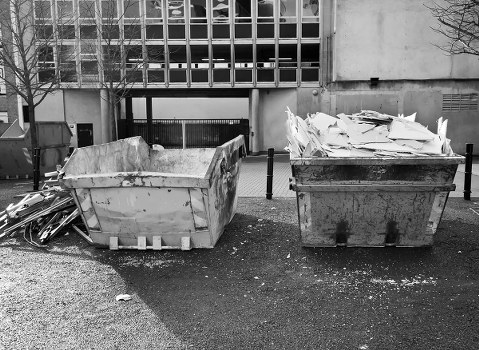 To improve material capture, our partners operate scheduled drop-off slots and flexible collection windows for businesses that generate variable volumes. The transfer stations accept segregated loads and have agreements with authorised recycling processors for cardboard, glass, mixed plastics and organic waste. This network helps keep recyclable materials in the supply chain, lowers contamination rates and supports local reprocessors where possible, strengthening the local circular economy and reducing reliance on distant disposal sites.
Working alongside the boroughs approach to waste separation, we support clear labelling and provision of separate containers for dry mixed recycling, food and compostable waste, and residual streams. This mirrors council campaigns in the area and reduces confusion when businesses change premises or service providers. Consistent segregation standards across commercial and domestic collections make it easier to scale reuse initiatives and track recycling percentage progress across neighbourhoods.
Our sustainable rubbish area concept includes partnerships with charities and reuse organisations that divert good-quality goods away from landfill. We collaborate with local charities to accept unsold stock, furniture, textiles and small electricals that are repairable or resellable. These relationships create social value as well as environmental benefit: donated items are refurbished or redistributed to community projects, training programmes and beneficiaries in need. This approach reduces waste disposal costs for businesses and extends product lifecycles.
We also arrange scheduled charity collections and curated drop-off events in coordination with local traders’ associations. These events prioritise rehoming viable goods and recycling materials that cannot be reused. A clear, documented chain-of-custody ensures compliance with waste transfer regulations while maximising reuse. Working with charities also increases local awareness of sustainable shopping and the value of resource recovery beyond simple recycling.
Low-Carbon Vans and Cleaner Fleets — our fleet strategy is central to reducing transport emissions in the commercial rubbish supply chain. We use a mix of battery-electric vans, plug-in hybrids and highly efficient compressed natural gas vehicles for short urban runs, prioritising electric vehicles for dense, low-speed parts of Crouch End. These low-carbon vans reduce noise, improve local air quality and support the borough’s low-emission zone ambitions. Fleet scheduling and route optimisation software further cut mileage and idle time.
 Beyond collection, our sustainable services include waste audits, training sessions for staff on correct segregation, and incentives for suppliers that reduce packaging. We encourage circular procurement policies among businesses: selecting products with recycled content, repairable designs and minimal packaging. These procurement choices lower lifecycle impacts and help the community meet the recycling percentage target more quickly. We also promote deposit-return schemes for packaging where applicable and partnerships that close material loops locally.
 In summary, Crouch End’s commercial waste strategy combines practical measures, targeted infrastructure and community partnerships to create a resilient, eco-friendly waste disposal area and a truly sustainable rubbish area for businesses. By focusing on a 65% recycling percentage target, using local transfer stations, partnering with charities for reuse and operating low-carbon vans, we reduce waste, cut emissions and support the borough’s broader environmental goals. Together, businesses and service providers can transform how commercial waste is managed in Crouch End.
